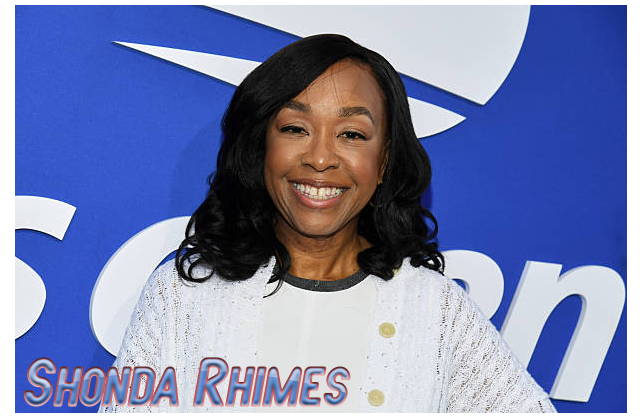
(ThySistas.com) Shonda Rhimes transformed Thursday night television into a cultural phenomenon, establishing herself as one of Hollywood’s most influential creative forces. Nobody handed her a throne. The woman built one, board by board, then turned it into an empire. The lesson is clear: Black women never needed Hollywood’s permission, because one of their own already proved that waiting for an opportunity is not the only path to success.
Rewind to 2005. A pilot about surgeons in Seattle lands on ABC, and few could have predicted what was coming. Grey’s Anatomy did more than survive. Two decades later, that same drama is still running. Now in its 23rd season, the show is American television’s longest running primetime medical drama. Let that marinate. A Black woman raised outside Chicago, Dartmouth degree in hand, created a hospital drama that became a television institution. Presidents came and went while Meredith Grey kept scrubbing in.
One hit can be luck. What came after was not. Scandal arrived in 2012 and turned Kerry Washington’s Olivia Pope into appointment television. How to Get Away with Murder followed in 2014, created by Pete Nowalk with Rhimes serving as executive producer. The series earned Viola Davis a historic Emmy and gave audiences a monologue reel for the ages. Private Practice, Station 19, the whole Thursday block folks lovingly tagged TGIT. ABC had built a television powerhouse around Shondaland, and the woman behind it understood the value of what she had created.
Here is where the story turns, transforming a feel good climb into a lesson in leverage. In 2017, the Grey’s creator signed a groundbreaking agreement with Netflix. The move expanded Shondaland’s reach beyond traditional broadcast television. The deal offered greater creative freedom, a reported fortune, plus something rarer than either: the leverage to expand a company built around her creative vision. Existing ABC shows remained at the network, while Shondaland began developing original programming for the streamer. Plenty of suits wondered whether that same magic could survive outside the broadcast model. They got their answer soon enough.
Bridgerton dropped in 2020 and detonated. Regency romance, lush gowns, a cast swirling through ballrooms, every bit of it adapted from Julia Quinn’s novels under the Shondaland banner. The franchise became one of the most watched properties the platform has ever carried. Its fourth season premiered in early 2026, with two more seasons already confirmed. Inventing Anna gave us Julia Garner as a counterfeit heiress. Queen Charlotte spun a whole origin tale out of a familiar royal figure. The Residence put Uzo Aduba into the White House chasing a murderer. Documentaries, limited runs, the Debbie Allen dance project. Different swings, one unmistakable signature.
Pay attention to the real genius, because it was never the shows alone. Rhimes turned storytelling into infrastructure. Shondaland is more than a production company. Its Ladder Program helps underrepresented talent gain experience in an industry known for keeping doors closed. Rhimes understood something important: a hit earns you a seat, but building a company gives you lasting leverage.
Now sit with the harder conversation, because grown women can hold praise next to critique without flinching. For years viewers have raised an eyebrow at the romantic pairings inside this universe. Olivia Pope loved a white president. Annalise Keating was married to a white man, although her complicated relationship with Nate Lahey also occupied a significant place in the story. Bridgerton’s first marquee couple set a Black duke beside a white debutante. Across a catalog this deep, some viewers have questioned why prominent love stories between two Black people have received comparatively less attention. Critics named the concern years ago. Scholars have written about colorblind casting and what it quietly erases. Some folks point to colorism too, questioning the representation of dark skinned sistas at the heart of the fantasy.
Is it by design? That is a harder question to answer than some critics might admit. The Chicago area native has long embraced writing stories where characters of different backgrounds can occupy roles once reserved for white performers. That instinct opened doors nobody had cracked before. Black women got to be messy, brilliant, desired, central. Yet every lens has edges, and some viewers believe this one has too often framed interracial romance as the preferred narrative. Grey’s featured Bailey’s marriage to Ben, plus Jackson’s romance with Maggie. Bridgerton introduced Will and Alice Mondrich as a married couple. So the well is not bone dry. Still, that pattern deserves examination. The conversation is fair, and a creator this gifted can handle criticism. Loving the work does not require pretending it is flawless. So here is the question worth sitting with, put straight to you. Do those pairings read as deliberate creative choices, missed opportunities for Black romance, or something closer to anti Black sentiment? That last accusation deserves serious evidence, because storytelling preferences alone cannot establish a creator’s personal beliefs.
Those creative debates have done little to slow the growth of Shondaland. Rhimes continues negotiating from a position of considerable influence. This past August brought a fresh five year deal with Netflix, stretching through 2031. The pact reaches past television into film, gaming, merchandise, plus live events tied to the properties. Another prequel centered on a younger Violet Bridgerton is also in development. A new Grey’s Anatomy spinoff set in rural West Texas is taking shape, with Karla Souza cast in the lead. The empire is not coasting. It is compounding.
This next part deserves tattooing somewhere the young ones can read it daily. Talent got our girl into the room, sure enough. Building Shondaland and protecting its creative influence helped keep her there. Too many of us pour pure genius into other people’s buildings, then wonder why nobody cut us a key. The architect of Shondaland refused to settle for being another writer collecting assignments, betting on the worth of a name while it was still climbing. Every successful production strengthened the business she had created. That success also expanded her negotiating power in an industry where creative talent does not always translate into lasting control.
Black women have been told, in a thousand polite ways, to wait their turn. Wait for a promotion, an opportunity, or some gatekeeper’s blessing. One woman raised in the Chicago suburbs studied that waiting room, then strolled right past it. Receipts like these run two decades deep, still printing fresh pages.
The real achievement was never simply gaining Hollywood’s attention. It was turning creative success into lasting influence, with the freedom to shape what came next. That is the difference between waiting for an opportunity and building the power to create one.
Staff Writer; Raven Jones
Raven writes about music, relationships, and the everyday ups and downs of Black women… She keeps it honest, encourages other sistas, and can be reached at RavenJ@ThySistas.com.