(ThySistas.com) Long before hashtags taught the culture to love every roll and curve, a loud girl from Baltimore took the stage. She told big girls they were fine just as the good Lord made them. Mo’Nique built a whole lane out of that message back when the industry had zero interest in paving it. Club stages, a hit sitcom, and televised pageantry all carried the same gospel. Thick was gorgeous. Nobody needed permission to believe it.
The Parkers ran from 1999 to 2004, and Nikki Parker chased Professor Oglevee week after week with a grin that never once apologized for taking up room. That character flirted hard, dressed bold, and sashayed like the finest catch in any zip code. Watching at home, plenty of Sistas finally saw a reflection television kept refusing to show. Proof arrived that desire belonged to full-figured ladies too.
Then came the pageant. Mo’Nique’s Fat Chance aired on Oxygen from 2005 to 2007, crowning a Ms. F.A.T., short for Fabulous and Thick. Ten plus-size contestants competed for a spotlight the mainstream kept reserving for size-two models. That debut season pulled the strongest ratings of any original program in the network’s history up to then. Folks wanted this. The hunger had been sitting there all along, going unfed.
Phat Girlz hit theaters in 2006, driving that same message home. Together, the pageant and film made the message feel less like a gimmick, more like a movement with a Baltimore accent. Bigger is better became something close to personal scripture. Mo’Nique repeated it in interviews, hollered it from stages, and made it part of her brand.
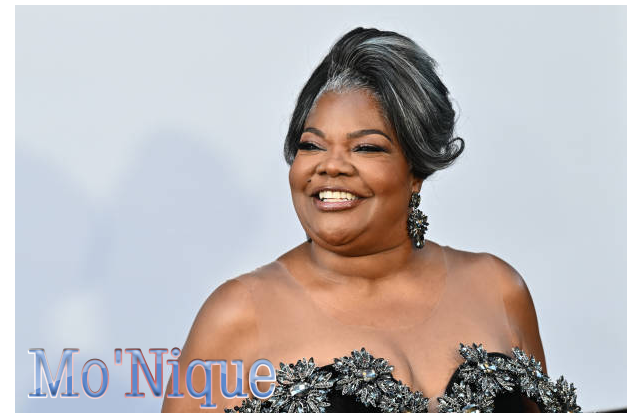
Precious shifted the whole register. That 2009 drama demanded something far darker, and the turn as a monstrous mother drained away every drop of comedy. Oscar gold for Best Supporting Actress followed in 2010, with a BAFTA and a Golden Globe landing the same awards season. Respect showed up at last, loud and badly overdue.
By 2013, a health journey was already unfolding in public, workout by workout, with Mo’Nique sharing the progress along the way. The numbers told a serious story. Once close to 300 pounds, the comedian had dropped to 218, losing roughly 80 pounds through changes in diet and exercise. Five years later came another milestone, a number below 200 appearing on the scale for the first time since adolescence. Surgery was never part of the equation. Walking, running, lifting weights, yoga, and a determination to keep moving carried the Baltimore native toward a different kind of victory.
Why do all that, after building a kingdom on the opposite idea? Husband Sidney Hicks asked a plain question about the figure on the scale, then said flatly that a lifetime together mattered more than a shortened one. That request landed deeper than any glossy magazine lecture ever could. Love, not disgust, steered the choice.
Here is where plenty of folks get the whole thing twisted. Shedding the weight never meant the earlier woman was a lie. Both versions stand as real. The thick comedian preaching self-worth and the leaner one posting burpees are still the same woman. Just different mile markers on a single long road. Nobody demolished the house. The occupant just renovated a few rooms.
That distinction matters for Black women especially, because our bodies get narrated by everybody except us. Doctors, aunties, church mothers, strangers behind keyboards, each one volunteering opinions no soul requested. Full-figured Sistas get shamed in the name of health, while women who lose weight face accusations of vanity. Either way the verdict reads the same. Your flesh is public property, apparently. The answer to that noise was doing precisely what pleased a single person on earth, the one gazing back from the mirror.
Confidence never required a particular dress size. The pageant queen and the fitness enthusiast share one spine, which is a flat refusal to let outsiders set the terms. A heavy girl deciding she is beautiful performs a political act. That same courage drives a formerly heavy girl who chooses health on her own clock, just in different shoes.
Black women rarely get granted that kind of range. Society prefers a fixed category, a single note held forever. Step outside the lines and the accusations fly. Sellout. Hypocrite. Traitor to the plus-size. None of that holds once you grasp the real throughline, which was never about size whatsoever. The freedom to define herself had always been the point, and no change on the scale could take that away.
Today’s body-positivity movement fills social media with affirmations, inclusive runways, and brand campaigns. But a Sista from Charm City was spreading that same message to living rooms across the nation years earlier. Ahead of the curve rarely earns proper credit. Pioneers plant the seeds, and latecomers pose for pictures in the shade of the tree. Giving the early voices their flowers while the culture still remembers feels like the decent thing to do.
Honest question for everybody still reading. Has the world truly learned to accept a woman who takes up space? Or have the old judgments simply found new ways to hide? Side-eyes at the buffet, uncomfortable doctor visits, and casting calls that favor smaller frames. Those attitudes haven’t disappeared. Sit with that one for a minute. Your gut answer probably reveals how far the needle has actually moved.
As 2026 winds down, the Queen of Comedy is still making grown folks howl with laughter. November brought four stand-up performances at Helium Comedy Club up in Alpharetta, keeping that familiar connection with audiences alive. Another engagement awaits in January at MGM National Harbor, where the Baltimore native is scheduled to return to the microphone. Now fifty-eight, Mo’Nique turns fifty-nine in December. The stage remains familiar territory after a career spent making people laugh and challenging narrow ideas about beauty.
Mo’Nique never owed the world a promise to stay the same size. Loving the body you carry today is allowed, fully. Choosing to change it tomorrow is your right, too. Nobody deserves an explanation or apology. Those two freedoms are not rivals. They stand as neighbors. Mo’Nique embraced that freedom long before the culture caught up, building a career that challenged every box society tried to put her in. Fabulous and thick, later fit, forever free. Black women deserve that entire menu, first page to last. The Baltimore girl simply taught the rest of us how to order.
Staff Writer; Raven Jones
Raven writes about music, relationships, and the everyday ups and downs of Black women… She keeps it honest, encourages other sistas, and can be reached at RavenJ@ThySistas.com.