(ThySistas.com) Watching Lynn Whitfield hold a room has always felt a little like church. You lean in without meaning to. The sermon arrives, the one nobody requested yet everybody somehow needed.
For decades this performer has shown us women who look flawless at the dinner table while quietly hauling a weight no one offered to help lift. Picture Roz Batiste in Eve’s Bayou back in 1997. Think about Victoria in Madea’s Family Reunion from 2006. Remember Lady Mae in Greenleaf, the OWN drama that ran from 2016 to 2020. Three different stories. One shared ache underneath.
That pain deserves a real conversation, Sistas.
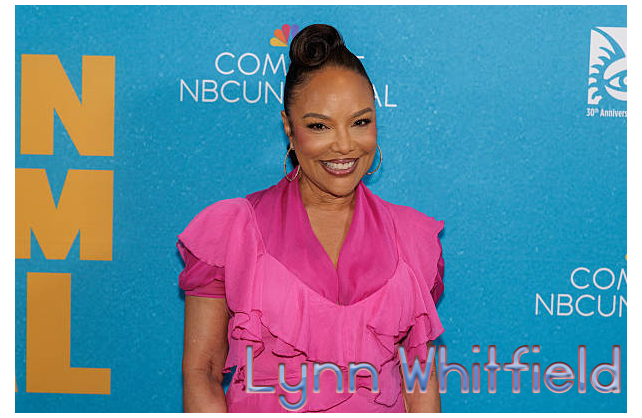
The Black women at the heart of these stories arrive polished, composed and ready for inspection. Perfection reads as the price of admission. The script hands them a spine of steel, pressed dresses and reputations to protect. Playing those roles, the actress works like somebody who studied the real thing up close. Perhaps at a Baton Rouge kitchen table. Maybe inside a Howard University classroom, where she earned her Bachelor of Fine Arts degree in theatre in 1975. Either way, the truth rings out.
Begin with Eve’s Bayou, that gorgeous 1997 film from Kasi Lemmons. Roz is trying to keep her marriage intact, protect the children and maintain a sense of dignity while a straying husband tests all three at once. Such a part could have slid into cliché. Instead we get a layered portrait of a woman carrying everybody’s pain while nobody tends to hers. Notice how fiercely Roz guards the children, keeping them inside the house after Mozelle experiences a frightening premonition. That urge to control what little remains within her reach is survival dressed up as parenting.
Black women know that choreography by heart. We handle it. Anticipation becomes instinct. Many of us brace for the next blow before it ever lands, because somebody has to.
The 2006 Tyler Perry film handed us a colder version of the same figure. Victoria is the matriarch who weaponizes old wounds. Pushing her daughter Lisa toward a wealthy abuser. Belittling Vanessa. Protecting a secret so toxic it had already poisoned two generations before the credits roll. Perry wrote a villain, sure. The portrayal reached for something sadder than villainy though. Here was a mother who allowed her own bitterness and ambitions to come at the expense of her daughters’ well-being. The damage she inflicted came from someone they should have been able to trust.
The most recent of the three gives us the Greenleaf first lady. Draped in pearls, the pastor’s wife maintains a dignified appearance even as scandal threatens everything her family has built. The character guards family secrets like scripture. Underneath the poise sits a mother who has learned to protect the institution, even when doing so comes at a painful cost to her loved ones. How many of us grew up around a woman exactly like that? The one who taught us to say “we’re fine” before we could spell the word.
Appearances become a prison in that pulpit. Mae trusts that the right smile keeps shame at a safe distance. Whitfield lets us watch that trust crack. A flicker crosses the eyes. One breath held a beat too long. Generational trauma seldom announces itself out loud. Mostly it hides inside good manners.
String those three roles together. A pattern surfaces that feels less like coincidence than like testimony.
Each matriarch occupies the center of a family, expected to absorb every shock the plot delivers. Who stops to acknowledge her exhaustion or offer space to grieve? Our culture built a throne out of expectation, then forgot the person seated there bleeds too. Black women have been expected to shoulder that responsibility for far too long.
That is the burden. Not the crown itself. The sheer weight of wearing it.
What strikes me most about Whitfield’s body of work is her refusal to reduce these characters to easy labels. A lesser talent might play the saint or the monster. She finds the human being caught somewhere between the two, which happens to be where most of us actually live. Victoria could read as pure evil. Lady Mae could read as pure grace. Neither shortcut would be honest. Real mothers hold contradictions big enough to swallow a whole family tree.
School taught some of us to name these things. Intergenerational trauma. Suppressed feelings. Emotional labor. Fancy phrasing for an old reality our grandmothers lived through without any vocabulary for it. Watching this artist work feels like seeing a textbook breathe, then outgrow the textbook completely. Naming the ache helps. Living past it takes a whole lot more.
Respectability is a recurring theme in each of these portrayals. The correct dress. A certain pew. Picture-perfect marriages. All of it carefully maintained to shield a household from a judging world. Rarely does anyone speak openly about the cost of keeping up those appearances. Daughters adopt the posture minus the explanation. Family secrets harden over time. Pretending everything is fine becomes a family tradition, passed down like good china.
That willingness to explore complicated women continues to shape Whitfield’s career. In 2023 she joined The Chi as Alicia, a ruthless, grieving power player whose story came to a violent end in the seventh season finale in 2025. The role earned her an NAACP Image Award that same year. Her performance opposite Renée Elise Goldsberry in the 2024 independent feature Albany Road brought another nomination. The Emmy winner also lent her voice to Marvel’s Eyes of Wakanda in 2025. More recently, the veteran actress appeared alongside Chloe Bailey in Strung. Directed by Malcolm D. Lee, the psychological thriller premiered on Peacock in June 2026. Now in her seventies, this Louisiana original keeps picking parts with teeth.
Few actresses have devoted so much of their craft to making the unseen labor of our mamas visible. Through decades of powerful performances, Whitfield has given voice to experiences that often go unspoken.
Maybe that explains why these portraits land so deep for sistas of a certain age. We see our own mothers inside them. Some of us recognize habits we learned growing up and are still trying to unlearn today.
Call your mama, an auntie or the sister everybody depends on. Ask what she needs rather than assuming everything is under control. Give her a chance to rest for one single afternoon. The characters on the screen rarely got such mercy. The women in our own lives deserve better.
Staff Writer: Brenda Poole
BP writes about entertainment, relationships, faith, and life in general… She enjoys speaking on things Black women can relate to and hopefully giving a sista something useful along the way…
Feel free to email her at BrendaP@ThySistas.com.