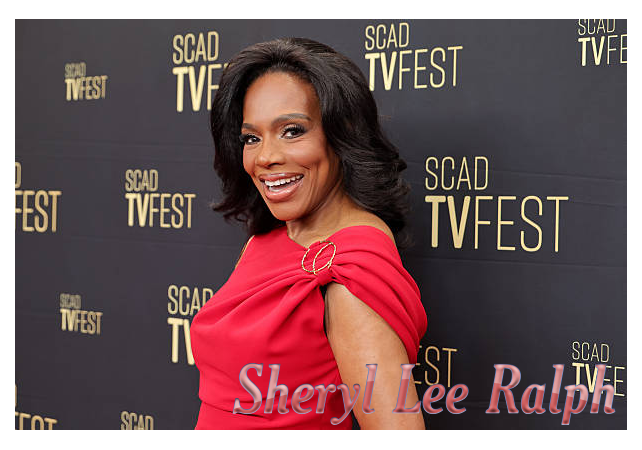
(ThySistas.com) Sheryl Lee Ralph has spent a lifetime being looked at. This week she decided to talk back about the cost of it.
News broke on September 14. A new memoir, “You Better Love What You See,” lands April 6, 2027. That title did not come from nowhere. Ralph pulled it straight out of her 2023 Critics Choice Awards acceptance speech, the speech folks were still quoting weeks later, the night she leaned into the camera and told everybody watching that people do not have to like you, love you, or even respect you. The face in the mirror is the one you answer to. That belief runs all through the new book, and across two hundred and forty pages come the receipts. Growing up as the only girl of color at a Catholic school. Joining Rutgers College’s first class of undergraduate women. And the one detail in the announcement that stopped me cold. Once, a television role got snatched away because somebody in charge decided she was not “Black enough.”
Sit with that for a second.
Not that the acting fell short. Not that a mark got missed or a scene got fumbled. Somebody with a clipboard and a budget measured the skin, the speech, the whole woman against a rule nobody bothered to write down, then stamped the file lacking. The original Deena Jones. A Dreamgirl. A Tony nominee before half of these executives could tie their shoes. Told, flat out, she wasn’t the right shade of us.
Here is the part that landed square in my chest, because I have lived a smaller version of it, and so has nearly every sister I love. A sister can step into one space and register as too much. Too loud, too dark, too country, too churchy, too sure of the ground under her feet. Then that same sister pivots, walks into the very next room, and somehow arrives as not enough. Not urban, not gritty, hair too soft, speech too polished, pick your poison. Same person. Same beautiful skin. Two opposite verdicts, and neither one was ever hers to hand down.
We know this dance. Sistas have been doing it since grade school, when one crowd said we talked white and another swore we were ghetto, and both little jabs stung the exact same way. It trails us into the office, where we soften a laugh so nobody reads us as a threat, then get passed over for seeming timid. It shows up in the group chat, in the salon chair, at the family cookout where somebody’s cousin has plenty to say about your locs or your man or the way you pronounce the word “ask.” And the sharpest cuts do not always come from white folks. Some of them arrive from our own people, which carries its own private grief.
What I respect about Ralph naming this now, at this stage, is the flat refusal to pretend it healed clean. Plenty of successful Black women reach a certain altitude and start selling the tidy version, the one where every wound became a blessing and every rejection was really a redirect in disguise. Ralph is doing something braver, laying out the scar and the origin story together. A young performer, gifted past any argument, handed a report card on her own color by people who had no business grading it.
And notice none of this comes drifting off a quiet retirement porch. The woman is fully in her season. Abbott Elementary returns for its sixth run on October 7, and the actress has been out here teasing what Barbara Howard gets up to next, treating that kindergarten classroom like sacred ground. The series will also celebrate its hundredth episode this season, another quiet number that says plenty about a show and a career people once tried their best to shrink. On Monday night, Ralph walked the Emmy red carpet while Abbott competed again for Outstanding Comedy Series. Book news by day. Emmy gown by night. That is not a woman waiting on anybody’s permission.
Which drags me back to the ugly little word sitting at the center of her story. Enough.
For a long stretch I believed the fix was to satisfy every single person in the building. Be enough for this crowd, composed for the next, palatable for the ones signing the checks. You learn to code switch so smoothly that one day you cannot remember which voice was yours to begin with. Black women get worn down this way, running an audition that never actually closes, because the panel keeps rotating and the standard keeps sliding and the callback simply never comes. At some point, and Ralph clearly hit hers, you set the sides down and walk off the stage.
There sits the quiet power in her book title. Not “you better make them love what they see.” Not “you better perform until they finally clap.” You better love what you see. The only verdict Ralph chases anymore is her own. That is the sole jury with any real standing over a life.
I keep thinking about the young Sistas coming up right now, scrolling feeds that rank and rate and sort us into tidy boxes before we have even had our coffee. Somebody will tell them they are too much. Somebody else, that very same week, will inform them they are not the right kind of us. Both messages are the same lie wearing two outfits. So many Black women learn young that our color was never up for a vote, and the girl who grasps that early stops bleeding out trying to win an election that does not exist.
Ralph took the scenic route to that truth. Decades of yeses and cruel small nos, of being seen and then unseen, of a business that rarely knew what on earth to do with a dark woman who could sing the paint off the walls and act circles around the whole room. Now she hands us the map, scar tissue included, so a few of us might arrive quicker than the last generation did.
So when the memoir drops next spring, count me first in line. Not because I need another famous face urging me to love myself from a platform I will never stand on. Because this one is naming the true cost, and doing it while still in the fight, still starring on an Emmy-nominated series, still teasing next season, still refusing to sit down and be quiet. The rest of us, the Sistas grown weary of auditioning for our own reflections, could use a witness cut exactly like that.
Look in the mirror, she keeps saying. You better love what you see.
Turns out that line was never a poster for the wall. It is a whole strategy for staying alive.
Staff Writer: Brenda Poole
BP writes about entertainment, relationships, faith, and life in general… She enjoys speaking on things Black women can relate to and hopefully giving a sista something useful along the way…
Feel free to email her at BrendaP@ThySistas.com.