
(ThySistas.com) My grandmother always told me that what is only known by some will one day be known by all. Mardi Gras is frequented by thousands of people. Mardi Gras in New Orleans has always been complicated for me, and many Black natives from the city. I learned early that the celebration people outside the state only see the beads, the brass bands, the king cake not realizing the history isn’t nearly as glittery. The joy is real, but so is the pain woven into its traditions that have been bloody. This year’s Carnival season made that truth impossible to ignore.
The problem of racism in Mardi Gras run deep. Long before the parades became tourist attractions, the city’s krewes were exclusive social clubs that openly excluded Black people from membership. Some of the oldest krewes refused to integrate well into the 1990s, choosing to stop parading rather than accept Black riders. In 2026 the hierarchy of who gets to ride, who gets to lead, and who gets to be celebrated still reflects old lines of racist power. At the same time, Black New Orleanians have always shaped Mardi Gras—from the Baby Dolls to the Skull and Bone Gangs to the Mardi Gras Indians—yet our contributions were historically dismissed or treated as exotic side attractions rather than central pillars of the culture.
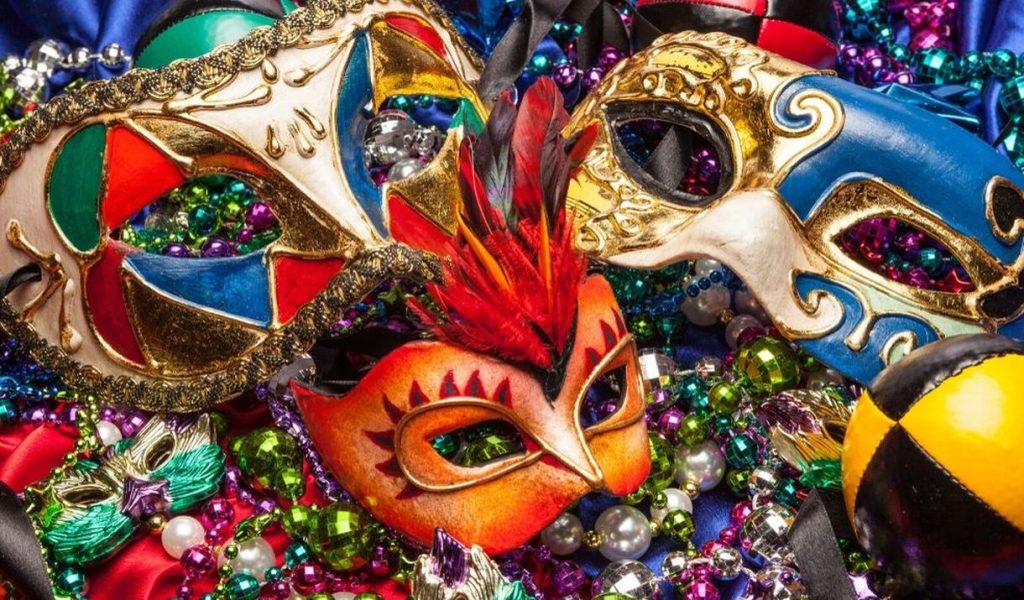
This year, those tensions resurfaced in ways that felt both familiar and exhausting. One of the most disturbing incidents happened during the Krewe of Tucks parade; photos circulated showing Black dolls hanging by their necks from bead ropes attached to a float. The images spread quickly and sparked outrage across the city. Officials, including Mayor Helena Moreno, condemned the display as deeply offensive and demanded accountability from the krewe’s leadership. The Louisiana Attorney General even launched a state-level investigation into how such imagery made it onto the parade route at all, and whether any civil rights violations were involved. The problem is those in leadership know how the imagery made it to the parade route. They know the history of the hatred on those routes, and the sad part is we do not expect the matter to be handled. We hear the words, but we have been hearing them forever without adequate change.
Seeing those photos hit me harder than I expected. It wasn’t just the dolls—it was the reminder that even in 2026, even in a city where Black culture defines the rhythm of daily life, someone still thought that kind of imagery was funny, or edgy, or acceptable. It made me think about how often Black people in New Orleans are expected to perform joy while swallowing disrespect.
Hanging Black dolls is not ambiguous. It’s not a misunderstanding. It’s a reminder of lynching, of dehumanization, of the violence that Black communities have endured for generations. And to see it rolling down St. Charles Avenue, in broad daylight, during a celebration that claims to represent the whole city, felt like a slap. Many of us understand the old ways…we don’t need to be on St, Charles. It is sad that we must feel that way, but to truly enjoy Mardi Gra may of us stick to spaces that have always been for us. No one is saying any one has to stick to a certain part of New Orleans for Mardi Gras, but natives know some spaces are uncomfortable for us.
Still, I can’t help but feel conflicted. I love Mardi Gras. I love the music, the food, and the way the city feels alive in a way no other place can match. But I also carry the knowledge that the celebration has always been layered joy on top of struggle, tradition on top of exclusion. This year just made those layers more visible.
Maybe that visibility is a step forward. Maybe calling out these incidents, loudly and publicly, is part of how the city grows. But it’s hard not to wish that the burden didn’t always fall on Black people to explain why something is hurtful, or to push for accountability, or to remind others that Mardi Gras belongs to us too. There is a part of me that wants the change to truly begin.
As the season wrapped up, the parades still rolled, the beads still flew, and the crowds still danced. But for many of us, the celebration came with a heaviness that’s hard to shake. Mardi Gras will always be a mix of beauty and contradiction. This year just reminded me that the work of confronting its past—and its present—is far from over.
Staff Writer; Chelle’ St James
May also connect with this sister via Twitter; ChelleStJames.