(ThySistas.com) There’s something timeless about watching a Black child hold a physical book. The way their fingers trace the cover, the way their eyes widen at a picture or a sentence, the way their whole body leans into the story like they’re stepping into another world. In 2026, when everything seems to be digital, fast, and constantly updating, I find myself coming back to the simple truth that our children still need real books. Not just for learning, but for grounding. For imagination. For culture. For connection.
As a writer and advent reader, I’ve spent years learning about how our stories move through generations, and I’ve learned that storytelling has always been one of our greatest tools for survival and joy. Long before we had libraries or classrooms, we had porches, living rooms, and laps. We had elders who could turn a simple moment into a lesson. We had tales that carried our history, our humor, our warnings, and our dreams. And even now, with tablets and apps and AI reading assistants everywhere, nothing replaces the feeling of a book in a child’s hands.
Physical books slow the world down just enough for a child to breathe. They give the mind room to wander, to imagine, to question. When a child flips a page, they’re not just moving through a story—they’re practicing patience, curiosity, and focus. And for Black children especially, books become mirrors and windows. Mirrors that show them they matter. Windows that show them what’s possible.
In our community, storytelling has always been more than entertainment. It’s how we’ve kept our culture alive. It’s how we’ve passed down traditions, values, and identity. When a Black child reads a book about characters who look like them, speak like them, or come from families like theirs, something powerful happens. They see themselves as heroes. As thinkers. As creators. They learn that their voice belongs in the world.
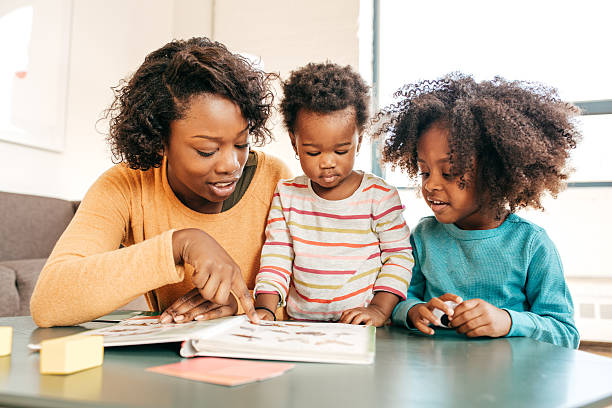
And when those stories are shared out loud—when a parent reads to a child, or a grandparent tells a tale from their own childhood—that’s when the magic deepens. That’s when storytelling becomes a bridge between generations. I’ve seen children sit at the feet of elders, listening with their whole bodies, absorbing not just the words but the rhythm, the emotion, the love behind them. Those moments strengthen family bonds in ways no screen ever could.
In 2026, our children are growing up in a world that moves fast and doesn’t always make space for them to simply be children. They’re exposed to news, images, and pressures that can weigh on their spirits before they even understand what they’re feeling. Books offer a kind of refuge. A place where they can explore big emotions safely. A place where they can practice problem‑solving through characters who face challenges and find their way through.
I’ve watched children learn empathy from stories. I’ve watched them learn courage. I’ve watched them learn how to ask questions, how to imagine new worlds, how to dream beyond what they see. And I’ve watched families grow closer when they make reading a shared ritual—bedtime stories, Saturday morning library trips, or even just ten quiet minutes together on the couch.
There’s also something deeply cultural about holding onto physical books. They become heirlooms. A book signed by a parent. A book passed down from an older sibling. A book with worn edges because it was loved so much. These objects carry memory. They remind our children that they come from a lineage of storytellers, thinkers, and dreamers.
And yes, technology has its place. Digital tools can support learning, open access, and spark interest. But they should never replace the intimacy of reading a book together or the grounding presence of a story told face‑to‑face. Our children need both, but they especially need the kind of storytelling that roots them in who they are.
In a time when the world often tries to define Black children before they can define themselves, storytelling becomes a form of protection. A way of saying, “Here is who you are. Here is where you come from. Here is what you can become.” And physical books become the vessels that carry those truths.
So yes, in 2026, our children still need books they can hold. They need stories that honor their culture, spark their imagination, challenge their minds, and strengthen their spirits. They need the sound of our voices reading to them. They need the warmth of our presence beside them. They need the stories that remind them they are part of something bigger—something beautiful, something powerful, something deeply Black.
And as a community, we need to keep telling those stories. We need to keep passing them down. Because when we strengthen the imagination of our children, we strengthen the future of our people.
Staff Writer; Christian Starr
May connect with this sister over at Facebook; https://www.facebook.com/christian.pierre.9809 and also Twitter; http://twitter.com/MrzZeta.